Inclusive Education: Promoting Diversity and Accessibility in Schools

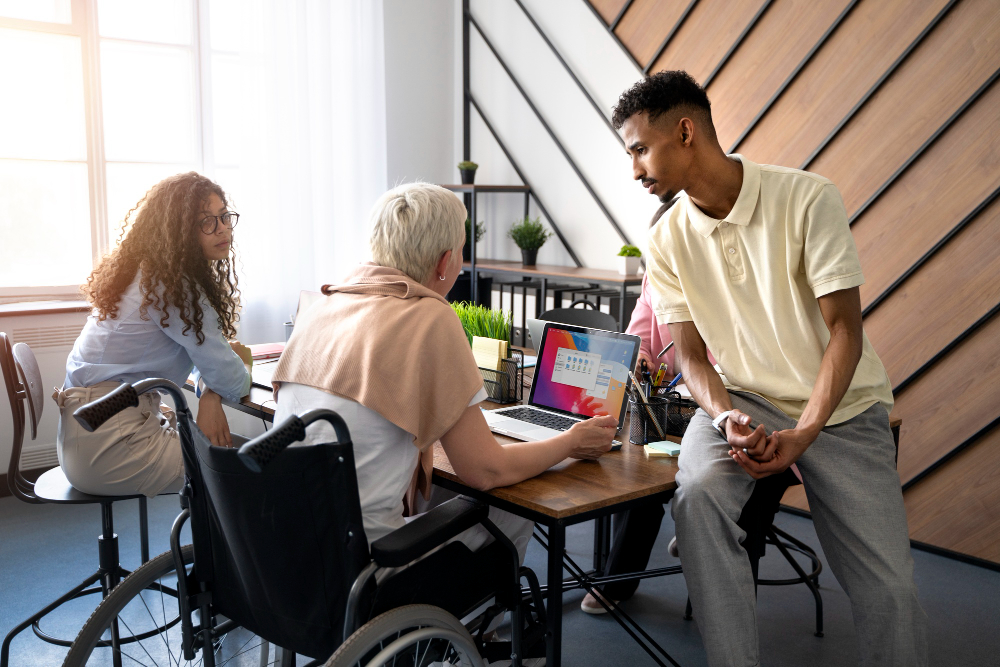
Every child has the right to go to school and learn. This includes children with disabilities. Inclusive education means giving all students—no matter their abilities—a chance to learn together in the same classroom.

In this blog, we will explain what inclusive education is, why it is important, the benefits, challenges, and how we can make it better for students with disabilities.


What Is Inclusive Education?

Inclusive education means teaching students with disabilities in regular schools, with other children. They learn in the same classrooms, take part in the same lessons, and join school activities with everyone else.

This helps students with disabilities feel accepted, supported, and part of the school community.


Types of Disabilities in Education

Inclusive education supports children with many kinds of disabilities, such as:

H3: 1. Physical Disabilities

  • Trouble walking or moving
  • Using a wheelchair or crutches

H3: 2. Hearing Disabilities

  • Hard of hearing
  • Deaf students

H3: 3. Visual Disabilities

  • Low vision or blindness

H3: 4. Learning Disabilities

  • Dyslexia (reading problems)
  • ADHD (attention and focus problems)
  • Autism

H3: 5. Intellectual Disabilities

  • Slower learning or understanding

Inclusive education makes sure that all these students get equal chances to learn.


Why Inclusive Education Is Important

Inclusive education is not just about putting students with disabilities in the same classroom. It is about making sure they feel safe, respected, and supported. It also teaches all students to care for each other.


1. Right to Education

All children, including those with disabilities, have the right to education. This is supported by global laws like the UN Convention on the Rights of Persons with Disabilities.


2. Better Social Skills

Inclusive classrooms help children with and without disabilities learn to:

  • Communicate
  • Work in teams
  • Be kind and respectful

These are important life skills for everyone.


3. Equal Opportunities

Children with disabilities deserve the same chances to learn, grow, and succeed. Inclusive education helps give them access to those opportunities.


4. Builds Confidence

When students with disabilities learn with others, they feel proud and confident. It helps them believe in themselves.


Benefits of Inclusive Education

Inclusive education is good for all students, not just those with disabilities.


H3: For Students with Disabilities

  • Feel included and accepted
  • Learn in real-world settings
  • Get support and friendship
  • Gain confidence and independence

H3: For Other Students

  • Learn empathy and kindness
  • Understand different abilities
  • Build teamwork skills
  • Prepare for diverse workplaces and communities

H3: For Teachers and Schools

  • Improve teaching methods
  • Learn to support all types of learners
  • Create a positive school culture
  • Encourage creativity in teaching

Challenges of Inclusive Education

While inclusive education has many benefits, it also comes with challenges. These problems need solutions to make learning fair for everyone.


1. Lack of Trained Teachers

Many teachers are not trained to work with children with special needs. They may not know how to teach in ways that support all learners.


2. Poor Infrastructure

Some schools do not have:

  • Ramps for wheelchairs
  • Accessible toilets
  • Braille books or sign language support
  • Audio or visual aids

This makes it hard for students with disabilities to move and learn.


3. Negative Attitudes

Some people believe children with disabilities should be in special schools only. These negative ideas make it hard to create inclusive classrooms.


4. Not Enough Learning Materials

Special learning tools like screen readers, large print books, and hearing aids are not available in many schools, especially in rural or low-income areas.


5. High Student-to-Teacher Ratio

In crowded classrooms, teachers may find it difficult to give enough attention to students with disabilities.


How to Improve Inclusive Education

To make inclusive education work better, we need action from governments, schools, teachers, and communities.


1. Train Teachers

Teachers must learn how to support all types of learners. Training programs can include:

  • Understanding different disabilities
  • Using simple and clear instructions
  • Adapting lessons for each student
  • Learning basic sign language or Braille

2. Improve School Infrastructure

Make schools safe and accessible for all. This includes:

  • Ramps and lifts for wheelchairs
  • Accessible toilets
  • Proper lighting and seating
  • Smart boards and visual aids

3. Use Assistive Technology

Technology can help students with disabilities learn better. Some tools include:

  • Screen readers for blind students
  • Speech-to-text tools
  • Tablets with learning apps
  • Hearing devices for deaf students

4. Change Teaching Methods

Teachers should use inclusive teaching. This means:

  • Using pictures, videos, and games
  • Allowing more time for some students
  • Giving simple instructions
  • Letting students work in groups

5. Involve Families

Parents of children with disabilities must be part of the learning process. Schools can:

  • Arrange regular meetings
  • Share student progress
  • Give advice on how to help at home

6. Raise Awareness

Schools and communities should teach children and adults about disability rights and inclusion. This can help change negative thinking.


Role of Governments and NGOs

Governments must create strong policies to support inclusive education. They should:

  • Make laws for inclusive schools
  • Give funds for training and equipment
  • Support schools in rural areas
  • Partner with NGOs to run programs and training

Examples of Inclusive Education Success

H3: India

The Sarva Shiksha Abhiyan (SSA) program supports inclusive education by training teachers and building accessible schools.

H3: South Africa

Schools are trained to use Inclusive Learning Strategies so all children learn together.

H3: Brazil

The government has laws that make all public schools open to children with disabilities.


Conclusion

Inclusive education is a step toward a world where everyone is treated equally. It gives students with disabilities the chance to learn, grow, and become active members of society. But to make it work, we need better schools, trained teachers, and caring communities.

When we include everyone in education, we build a better future for all.


SEO Keywords to Use:

  • Inclusive education for students with disabilities
  • Benefits of inclusive education
  • Challenges of inclusive education
  • Disability and inclusive schools
  • Inclusive classrooms in developing countries
  • How to support children with disabilities in school
  • Special education and mainstream schools
The Role and Impact of Artificial Intelligence in Modern Education

Technology is growing fast. One of the biggest changes in recent years is Artificial Intelligence (AI). AI is the ability of machines to think, learn, and solve problems like humans. It is now becoming a big part of education too.

In this blog, we will explore the impact of artificial intelligence on education, its benefits, challenges, and what the future may look like.


What Is Artificial Intelligence in Education?

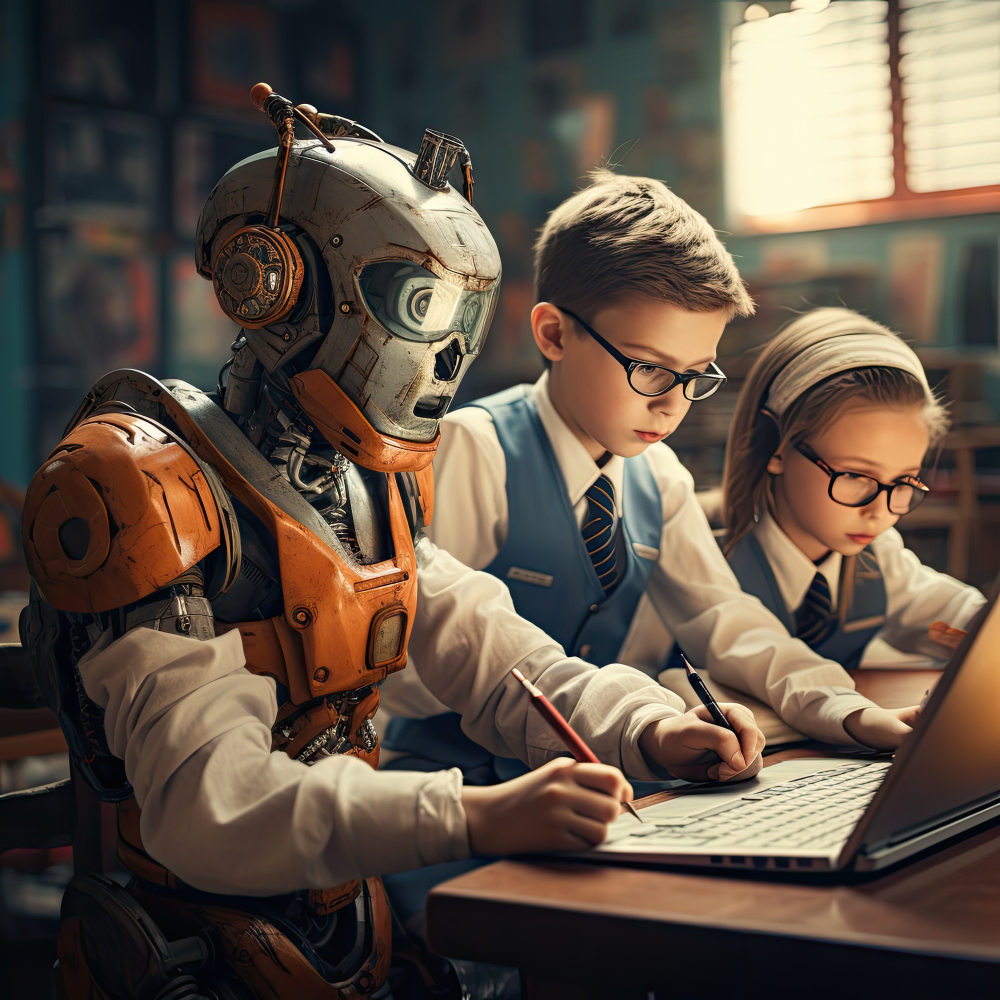
Artificial Intelligence in education means using smart machines, apps, or tools that help in learning and teaching. These tools can give feedback, create lessons, answer questions, and even grade assignments.

Some common examples of AI in education include:

  • Chatbots that answer student questions
  • AI tutors that help with subjects like math or language
  • Smart learning apps that adjust to each student’s level
  • Tools that help teachers grade and plan lessons faster

Benefits of AI in Education

AI is changing the way students learn and teachers teach. It brings many advantages to the classroom.


1. Personalized Learning

Not all students learn the same way. Some are fast learners, while others need more time. AI helps create personalized lessons for each student.

H3: How It Works:

  • AI tools test the student’s level
  • The app gives lessons that match the student’s ability
  • It provides help when a student is stuck
  • It tracks progress and adjusts the learning plan

Example: Platforms like Duolingo and Khan Academy use AI to give lessons based on student performance.


2. 24/7 Access to Learning

With AI tools, students can learn anytime, anywhere. They don’t have to wait for school or a teacher.

  • AI chatbots can answer questions even at night
  • Online platforms allow learning outside of the classroom
  • Students can watch videos, take quizzes, and get feedback instantly

3. Supports Teachers

AI does not replace teachers. Instead, it helps them.

H3: AI Can:

  • Grade assignments quickly
  • Create quizzes and lesson plans
  • Track which students need extra help
  • Suggest resources based on student needs

This saves time and lets teachers focus more on student interaction and guidance.


4. Helps Students with Special Needs

AI tools can support students with disabilities.

  • Text-to-speech tools read out content for students with visual problems
  • Speech-to-text tools help those who cannot write easily
  • Learning games can help children with autism or learning delays

5. Language Translation

AI tools can translate lessons into many languages. This helps students who speak different native languages understand better.

Example: Google Translate or Microsoft Immersive Reader can support students in multilingual classrooms.


Challenges of AI in Education

While AI has many benefits, it also comes with challenges that we must think about carefully.


1. Expensive Technology

AI tools can be costly. Many schools, especially in developing countries, cannot afford smart software, tablets, or fast internet.


2. Lack of Human Touch

AI tools can answer questions but cannot replace a human teacher’s care and support. Students may feel lonely or less motivated without human connection.


3. Data Privacy

AI systems collect data from students. If not managed well, this data can be misused. Schools must keep student information safe.


4. Teachers Need Training

Not all teachers know how to use AI tools. Without proper training, AI may not be used the right way.


5. Overdependence on Technology

If students rely too much on AI, they may stop thinking on their own. Learning should include both smart tools and real thinking.


How AI Is Used in Classrooms Today

Here are some ways AI is already helping schools:


H3: Smart Learning Platforms

Apps like Byju’s, Quizlet, and Socratic use AI to adjust lessons based on how well a student is doing.


H3: AI Tutors

AI chatbots or apps act as virtual tutors, helping students solve problems in subjects like math or science.


H3: Virtual Classrooms

Platforms like Google Classroom and Microsoft Teams use AI to manage online classes, give instant feedback, and even check for cheating in online tests.


H3: Attendance and Behavior Tracking

AI cameras and software can check student attendance, monitor classroom behavior, and help in creating reports for parents and teachers.


Future of AI in Education

AI will play a bigger role in the future of learning. Here’s what we may see:


1. Fully Personalized Learning Paths

Each student may have their own AI guide that helps them learn at their own speed, with materials they enjoy.


2. Virtual Reality with AI

Students may use VR headsets combined with AI to explore history, science labs, or the human body in 3D.


3. AI-Powered Exams

AI can set fair exams, check answers, and even detect cheating using facial recognition and eye-tracking.


4. Lifelong Learning

Adults and professionals can use AI to learn new skills anytime in life. AI will guide them step by step.


Tips for Using AI in Education

Whether you are a student, teacher, or school leader, here are some tips to use AI the right way:


✅ Choose the Right Tools

Pick trusted AI apps and platforms that are used by many and have good reviews.


✅ Combine Human Teaching with AI

Use AI as a helper, not a replacement. Human teachers are still very important.


✅ Keep Student Data Safe

Make sure tools used are secure and follow data privacy rules.


✅ Train Teachers and Students

Offer training programs so that everyone knows how to use AI tools properly.


Conclusion

Artificial Intelligence is changing education in many positive ways. It makes learning easier, faster, and more personal. It helps teachers save time and helps students get better support.

But AI cannot do everything. We must use it wisely and still value real teaching, care, and human connection. The future of education will be stronger when AI and human teachers work together.


SEO Keywords to Use:

  • Impact of AI on education
  • Benefits of artificial intelligence in schools
  • How AI is used in classrooms
  • AI in modern education
  • Artificial intelligence in teaching and learning
  • Future of AI in education
  • Role of AI in personalized learning

Empowering the Future: Education for Sustainable Development Explained

The world is changing fast. We face many big problems like climate change, pollution, poverty, and loss of natural resources. To solve these issues, we need people who understand them and know what to do. This is where Education for Sustainable Development (ESD) plays an important role.

In this blog, we will learn what ESD means, why it is important, and how it can help build a better future for all.


What Is Sustainable Development?

Sustainable development means meeting today’s needs without harming the ability of future generations to meet theirs. It is about protecting the planet while also growing the economy and improving people’s lives.

Sustainable development focuses on three main areas:

  • Environment – saving nature, clean water, air, and climate
  • Economy – building jobs, businesses, and fair systems
  • Society – health, education, peace, and equal rights

What Is Education for Sustainable Development (ESD)?

Education for Sustainable Development is a type of learning that teaches people how to make the world better. It helps students understand the challenges we face and shows them how to take action.

H3: Main Goals of ESD:

  • Teach people how to protect the environment
  • Help students learn about global issues like poverty and hunger
  • Develop skills for solving problems and making smart choices
  • Encourage respect for people, cultures, and nature
  • Promote active citizenship and social responsibility

Why ESD Is Important

1. Solves Real-World Problems

ESD helps students connect school subjects with real life. They learn how science, geography, economics, and even art can help fix big global problems.

2. Builds a Better Future

By teaching young people how to care for the planet and each other, ESD helps build a peaceful, fair, and clean world.

3. Teaches Critical Thinking

ESD does not give just facts. It helps students ask questions, find answers, and understand different views. These are key skills for life and work.

4. Supports the Sustainable Development Goals (SDGs)

The United Nations (UN) has 17 Sustainable Development Goals to reach by 2030. ESD plays a big role in reaching these goals.


Topics Covered in ESD

ESD can be taught in all school subjects. It includes a wide range of topics, such as:

H3: Environmental Topics

  • Climate change
  • Pollution
  • Biodiversity and wildlife
  • Renewable energy
  • Recycling and waste management

H3: Social Topics

  • Equality and human rights
  • Gender issues
  • Poverty and hunger
  • Peace and conflict resolution
  • Health and well-being

H3: Economic Topics

  • Fair trade
  • Ethical business
  • Smart use of money and resources
  • Jobs and skills for the future

How to Include ESD in the Classroom

1. Use Real-Life Examples

Teachers can use current events like floods, droughts, or local pollution issues to help students understand global challenges.

2. Encourage Group Work

Students can work in teams to find solutions for real problems in their communities, like waste reduction or saving water.

3. Hands-On Activities

Practical activities help students learn better. These can include:

  • Planting trees
  • Making eco-friendly crafts
  • Visiting recycling plants
  • Running awareness campaigns

4. Use Technology

Apps, games, and videos make learning about sustainability fun and interactive. Students can also connect with children in other countries to learn about global issues.


Role of Teachers in ESD

Teachers are very important in ESD. They guide students to think in new ways and inspire them to take action.

H3: Teachers Should:

  • Be role models in sustainable living
  • Stay updated on global and local issues
  • Encourage open discussion in class
  • Use creative teaching methods
  • Involve parents and communities in learning

Role of Schools in Promoting Sustainable Education

H3: Green Schools = Great Learning

A school that practices what it teaches is powerful. Schools can become green by:

  • Using solar panels
  • Reducing paper and plastic waste
  • Growing plants and vegetables on campus
  • Saving water and electricity
  • Starting student eco-clubs

These activities show students how to live sustainably in real life.


Challenges of ESD in Developing Countries

Even though ESD is important, many developing countries face problems like:

H3: 1. Lack of Trained Teachers

Many teachers don’t know how to teach sustainability topics. Training is needed.

H3: 2. Poor School Infrastructure

Some schools don’t have water, electricity, or even proper buildings. Teaching about sustainability becomes difficult.

H3: 3. Lack of Learning Materials

Books and digital tools for ESD may not be available, especially in rural areas.

H3: 4. Language and Cultural Barriers

Sustainability messages may not reach all children if not taught in local languages or in a culturally respectful way.


Solutions to Make ESD Stronger

H3: 1. Train Teachers

Governments and NGOs can create special programs to help teachers understand and teach ESD.

H3: 2. Use Low-Cost Materials

ESD can be taught using simple tools like posters, stories, games, and community visits.

H3: 3. Involve the Community

Local leaders, parents, and volunteers can help schools with knowledge, resources, and local examples.

H3: 4. Add ESD to the Curriculum

Education departments should include sustainability topics in the national curriculum at all levels.


Examples of ESD Around the World

H3: Japan

Japan has made ESD a big part of school life. Students learn about recycling, energy-saving, and nature from a young age.

H3: Kenya

In Kenya, many schools teach children how to grow food in school gardens. This helps with both education and nutrition.

H3: Sweden

Sweden teaches students to care for the environment and use clean energy. Their schools often run on solar or wind power.


Final Thoughts

Education for Sustainable Development is not just a subject—it is a way of thinking and living. It helps students become smart, kind, and active citizens who can care for the world and others.

If we want a better tomorrow, we must start teaching sustainability today. Together, we can build a cleaner, fairer, and more peaceful planet through education.


SEO Keywords to Use:

  • Education for sustainable development
  • What is ESD in schools
  • Importance of sustainable education
  • Teaching sustainability in the classroom
  • Role of education in global development
  • How to promote ESD in schools
  • Education and the SDGs
  • Green schools and environmental learning